Timeless Partnerships: Why Swiss Watch Brands Are Successful in Sports
Published on
by Laura Lange
When victory or defeat in sports often hinges on mere fractions of a second, it is hardly surprising that watch brands have relied on sports sponsorship for decades. Whether displayed on scoreboards, serving as official timekeepers or adorning the wrists of athletes, watches have become an integral part of the sports world.
This insight explores why watch sponsorship is an excellent business example of brand positioning in sport.
In this Insight:
Precision Meets Performance
Successful sports sponsorship relies on credibility. Partnerships are particularly powerful when a brand’s values align with those of the platform. This is precisely the case with watch brands and sports. Precision, quality, performance, reliability, and the pursuit of perfection are all hallmarks of high-end timepieces - qualities that have long been associated with elite sports. This creates a natural brand fit that extends far beyond mere visibility.
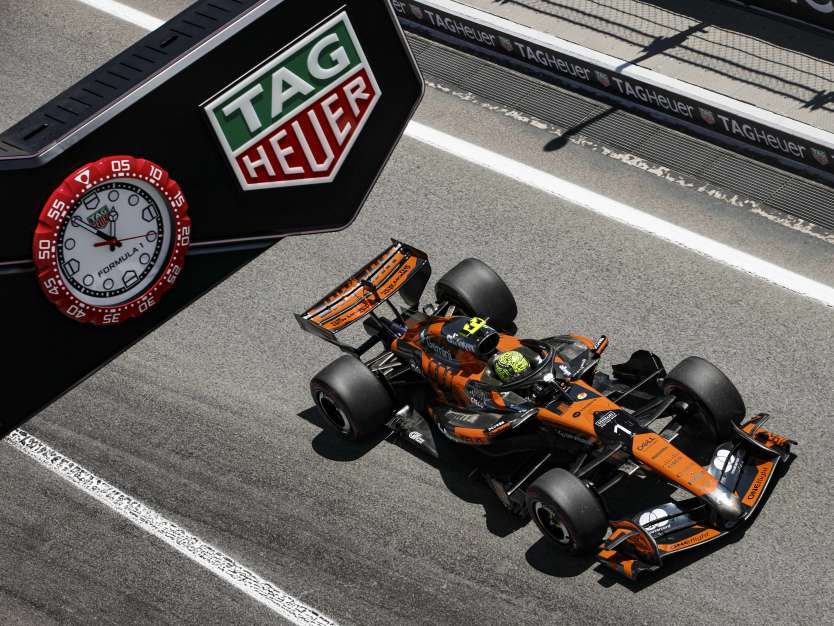
When Rolex is linked to Wimbledon, Omega to the Olympic Games, or TAG Heuer to motor racing, both parties benefit from a mutual transfer of image. Sports imbue these brands with dynamism, passion, and power, while the brands lend the competitions added exclusivity and prestige.
In this context, watch brands integrate almost seamlessly into the sporting action. They engage with fans via scoreboards, as official timekeepers for competitions, or by appearing directly on athletes' wrists. Whether it's Rafael Nadal wearing his Richard Mille on the court or the timing systems at the Olympic Games and motor racing events, the brand becomes an integral part of the competition itself, rather than just serving as a backdrop for advertising.
.jpg)

The Target Audience Behind the Success
The success of watch sponsorships cannot be explained solely by a strong brand fit; reaching the right target audience is equally important. Analyses show that sports enthusiasts across a wide range of disciplines have an above-average interest in luxury products. This is particularly evident among the target audiences for esports, American football, basketball, motorsports, and tennis. At the same time, the data reveals a measurable interest in purchasing luxury watches among all the sports audiences studied.
For watch brands, this creates a rare scenario in the sponsorship landscape: brand fit and audience fit align seamlessly. These partnerships convey shared values and reach individuals with a demonstrable interest in high-quality luxury products. This combination has made watch sponsorship one of the most successful examples of strategic brand building in sports for decades.
67 - 75 %
...of all sports enthusiasts interested in the most popular sports have a strong affinity for luxury products.
14 - 20 %
...among sports enthusiasts interested in the most popular sports intend to purchase luxury watches.
68 %
of sports enthusiasts interested in the most popular sports perceive sponsors as authentic and likable.
A Look Into the Past
The history of watch sponsorship dates back nearly a century. Long before sports sponsorship became a strategic marketing tool, watch brands recognised the potential of sports as a platform for showcasing their products and brand values.
One of the earliest examples of this was provided by Rolex in 1927. British swimmer Mercedes Gleitze crossed the English Channel wearing a Rolex Oyster - a genuine real-world test under extreme conditions. The message was clear: the watch lived up to the brand's promise.
In the decades that followed, numerous watchmakers further developed this approach. Tissot became involved in winter sports as early as the 1930s, TAG Heuer established itself as a fixture in motor racing during the 1960s, and Rolex has served as the official timekeeper of the prestigious Wimbledon tournament since 1978. Isolated engagements evolved into long-term partnerships that remain benchmarks for successful brand building in sports today.
The underlying insight is timeless: successful sponsorship is not achieved through visibility alone, but through a credible connection between product, brand, and platform. Few industries have pursued this principle as consistently as the watch industry.

Rolex is an integral part of the Roland-Garros experience. The partnership is not just about brand presence; it is also based on shared values and a commitment to mutual growth and development.
Arnaud Delaplace, Partnerships Director of Fédération Française de Tennis
The Millions Behind the Seconds
The fact that vast sums of money circulate within the sports world is nothing new. However, the sponsorship activities of the watch industry impressively demonstrate the strategic importance that sport can have for long-term brand building. While many partnerships aim for short-term visibility, leading watch brands have focused on long-term investments in the world’s most significant sports platforms for decades.
The partnership between Omega and the Olympic Games is particularly notable. Valued at approximately US$504 million, this deals underscores the long-term significance of sport within the brand's strategy. Similarly, Tissot has secured a partnership with the NBA until 2035, investing around US$50 million annually. Meanwhile, Rolex’s total sports sponsorship expenditure is estimated at around US$678 million, with Tissot following closely behind at approximately US$604 million.
These figures make one thing clear: watch sponsorship is no longer merely a supplementary marketing tool, but a strategic lever for global brand management. Investments are substantial, contract terms are long, and competition for the most attractive platforms is intense.
.jpg)
Conclusion
In sports, where every second counts, the most important thing for watch brands is establishing the right connection between their brand, their target audience and the platform. This is precisely why watch sponsorship has run, quite literally, like Swiss clockwork for decades, serving as a textbook example of a successful business strategy.
For almost a century, watch brands have used sports as a platform to showcase their values, build trust and strengthen their position in the market in a sustainable way. The success of these partnerships does not merely rely on reach or high-profile visibility, but on a combination of exceptional brand alignment and a strong fit with the target audience.

The industry’s substantial investments and long-term partnerships demonstrate that this success story is far from over. In fact, at a time when credibility, relevance, and authentic brand management are in greater demand than ever, watch sponsorship remains a prime example of how sport can deliver far more than just visibility, creating lasting brand value in the process.
Frequently Asked Questions
Sports sponsorship lets brands create emotional content and become an integral part of fans’ daily lives. Every year, over 58 billion euros* are invested in sports sponsorship around the world as a way of reaching and acquiring customers through fan engagement.
€58bn* global volume in sports sponsorship in 2018
Image objectives
Brands that are active in sports sponsorship are more likeable, more relevant and better trusted among fans. We call this the “emotional uplift”. Not only were we able to demonstrate this effect in a qualitative market research study, but we have also quantified it.
Awareness objectives
Whether among top target groups or the population at large, boosting brand awareness is a traditional strength of sponsorship. In an age of fragmented media consumption, it is becoming an increasingly frequent unique selling point in sport.
B2C customer retention
Sports sponsorship shortens distances and turns customers into lasting brand fans through promotions like money-can’t-buy experiences, loyalty incentives, exclusive benefits, prize draws, bonus programmes or sensation marketing.
Maintaining B2B contact
Professional infrastructure, special occasions and memorable experiences: the fervour surrounding sport makes for the perfect hosting platform for forging new business relationships and strengthening existing ones.
Tapping new target groups
Sponsorship can overcome dialogue obstacles and enables organisations to reach their target groups before and even after purchases are made, provided the platform has maximum target group overlap.
6. Sales and revenue objectives
Sponsorship affects revenue, be it via direct sales, branding at the point of sale, the expansion of sales networks, or one of the many new activation formats for sales promotion in sport.
Corporate social responsibility
Nutrition, health, youth empowerment and sustainability (to name a few): professional sport provides companies with a platform that impacts a range of economic sectors and can lead to authentic ways of implementing CSR measures.
Employer branding
Sponsorship is becoming an increasingly important tool in the so-called war for talent. It is used for recruiting new employees or retaining existing employees who have been with the company for a long time.
Enhanced Fan Experience: Improve the overall fan experience by offering exclusive content, access, or promotions through the partnership.
Innovation and Technology: Showcase technological advancements or innovations through sports partnerships, positioning the brand as forward-thinking and cutting-edge.
A comprehensive marketing agreement in sports means that a sports organisation or rightsholder partners with an external party, such as an agency, to create, deliver and evaluate their marketing strategy.
The details of this agreement varies depending on the rightsholder and the external party, but typically includes the external party utilising their expertise and experience within a particular field, such as sales or marketing, to help benefit the rightsholder.
This agreement typically also sees employees from the external party work as part of the rightsholder’s organisation, often within the same office and teams.
SPORTFIVE is a global sports marketing agency that specialises in various aspects of the sports and entertainment industry. The agency works with sports organisations, teams, and brands to optimise commercial opportunities.
One of SPORTFIVE's key areas of focus is the sale and management of sports media rights, including broadcasting and digital distribution deals. They negotiate and facilitate partnerships, sponsorships, and naming rights for sports entities, helping them enhance their brand value and revenue streams.
Additionally, SPORTFIVE provides expertise in marketing strategies, assisting clients in building strong connections with their target audiences. Their comprehensive approach spans across the sports business landscape, from media rights to sponsorship management, contributing to the overall growth and success of their clients in the dynamic world of sports marketing.
SPORTFIVE operates across a broad spectrum of sports, engaging with diverse disciplines and events globally.
The agency has a comprehensive portfolio that spans popular team sports, individual sports, and major sporting events. They are involved in football (soccer), which is a significant focus given its global popularity.
Additionally, SPORTFIVE is active in sports such as basketball, tennis, golf, motorsports, american football, multi-sport events such as the Olympic and the world of esports & gaming.
The agency's reach extends to various regions and markets, allowing them to navigate the unique landscapes of different sports industries.
Whether facilitating media rights deals, managing sponsorships, or developing marketing strategies, SPORTFIVE's involvement spans across a wide array of sports, showcasing their versatility and ability to cater to the commercial needs of sports organisations and brands in the ever-evolving sports market.
If you are interested in becoming a sponsor, the specific contact person or department will depend on the entity or property you want to sponsor.
Sports Marketing Agencies: Agencies like SPORTFIVE specialise in connecting sponsors with sports opportunities. Contact their business development or sponsorship departments.
Sports Teams or Clubs: Contact the sponsorship or partnership department within the sports team or club.Look for information on the team's official website regarding sponsorship opportunities and contact details.
Sports Events or Leagues: Reach out to the event organiser's sponsorship or partnership department. Event websites often have dedicated sections providing information for potential sponsors.
Athletes: Contact the athlete's management or agent, who typically handles sponsorship inquiries. Some athletes manage their sponsorships independently, and contact information may be available on their official website or social media.
Sports Federations: Reach out to the sponsorship or business development department of the relevant sports federation. Check the official website of the federation for sponsorship guidelines and contact information.
For specific details, visit the official website of the entity you are interested in sponsoring or directly inquire through the provided contact information. If the information is not readily available, consider reaching out to the general contact line or email provided on their official platforms, and they can direct you to the appropriate department.
