
The New Frontier: How AI Is Reshaping the Gaming Ecosystem & What It Means for Brands
Published on
by Jack Milko
Artificial Intelligence (AI) has been a fixture in video games for decades. Across a wide spectrum of games, AI has powered non-player characters (NPC) and computer player users (CPU), shaped dynamic difficulty, and supported the engines that bring modern titles to life. Yet, over the past two years, AI has shifted from being a behind‑the‑scenes tool to a transformative force across all aspects of society.
In this Insight:

For the video game industry, AI now has even more of an influence on how games are built, played, shared, monetized, and culturally consumed. Game developers can now use generative AI-based tools to create scripts, images, and objects to ultimately improve the gameplay. Other AI technologies are used to scale up graphics and boost frame rates, according to a recent Forbes article.
This shift to leaning more on AI is accelerating, and for brands looking to connect with gamers from around the globe, the implications are enormous. SPORTFIVE sits at the intersection of sports, entertainment, and culture. And increasingly, gaming is at the center of all three. As AI reshapes the way games are developed, communities form, and creators emerge, brands now have unprecedented opportunities to engage audiences through new formats, new personalities, and new forms of interactive content.
This is not a story about AI replacing creativity. Rather, it is about how AI is expanding it, and why brands should pay attention.
AI in Gaming: A Quick History, and a Faster Future
AI has always been embedded in gaming, long before today’s surge of generative tools. Look no further than some of the most iconic franchises of all time — titles such as Call of Duty, Minecraft, and even Mario Kart — where adaptive enemy patterns and behavioral logic challenge players in unique and evolving ways.
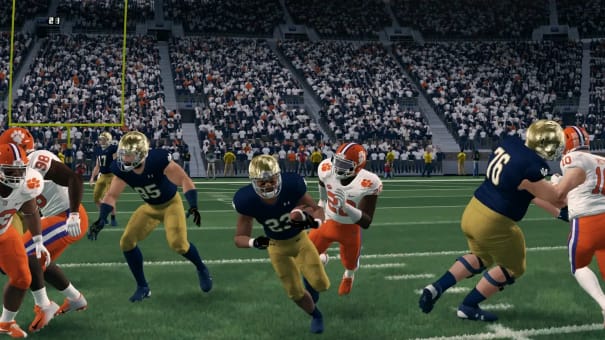
The same applies to simulation titles like EA Sports Madden NFL or EA Sports College Football, where users have been “simulating” full games, and in many cases, long-term franchise modes like ‘Road to Glory’ for years. These instant, AI‑driven results are not just a convenience. Instead, they are proof that artificial intelligence has quietly underpinned core gameplay loops for decades, shaping how players compete, strategize, and interact with the experience. Over time, this has matured into more sophisticated NPC behavior, procedural world‑building, and game engines that rely on machine learning to optimize graphics, frames, and physics. Look no further than ROBLOX and Fortnite as prime examples of this.
In 2026, developers now use AI to accelerate coding, assist with art and asset creation, generate environments, and streamline testing. Tools within engines like Unreal and Unity help studios ship faster, experiment more freely, and scale their creative output.

Historically, bringing a game to life required years of hands-on coding experience and highly specialized skills. The Grand Theft Auto series is a strong illustration of the time, expertise, and craftsmanship required to build a world‑class game. After releasing Grand Theft Auto IV in 2008, Rockstar Games spent five years developing Grand Theft Auto V. The intricacies of the animation, worldbuilding, coding, complicated character development, and quality assurance required years of development, and thus patience. It all paid off as Grand Theft Auto V became the fastest selling entertainment product in history, amassing more than $1 billion in sales within the first three days after release.
Today, AI is reshaping parts of that process. It accelerates coding, assists with art and asset creation, generates environments, and streamlines testing, allowing professional teams to move faster and explore ambitious ideas. Continuing with the Grand Theft Auto example, the latest edition of the series, Grand Theft Auto VI, is set to be released in November, 13 years after the most iconic game of the franchise hit the shelves. Even with modern AI tools, Grand Theft Auto VI is proof that building a game of that scope requires plenty of expertise and time. AI enhances the craft. It does not replace it.
For independent developers and user-generated content (UGC) creators, however, this wave has been even more democratizing. While anyone with years of coding experience could technically build a game in the past, AI now lowers the technical barriers significantly. With strong ideas and artistic visions, creators can bring higher-quality experiences to life quicker.

A New Era for Developers, Creators, and Players
AI’s influence now extends beyond development across the full gaming ecosystem: how worlds are built, content is produced, communities form, and players engage. For developers, generative and procedural tools speed ideation, coding, testing, and asset creation, while making NPCs more reactive and helping optimize streamed gameplay performance (graphics, frame rates, stability).
In user-generated content platforms such as Roblox, Fortnite Creative, and player-built spaces, AI lowers the barrier to designing worlds, crafting assets, and scripting mechanics, enabling deeper, more organic brand integrations inside experiences players help shape. For creators and streamers, AI streamlines editing, captioning, localization, and packaging, and it fuels AI-native virtual talent with always-on, global communities. For players, personalization makes games more adaptive and intuitive; concerns about authenticity persist, but adoption rises when AI improves gameplay, accessibility, and quality of life.
“At SPORTFIVE, we see AI as a catalyst for better brand storytelling in gaming. AI enables deeper understanding of trends within the communities and expands creativity available to brands to activate across the digital landscape. Whether that’s through the creation of their own AI Generated VTuber, designs for user-generated content (UGC) worlds, or entirely new formats that did not exist a few years ago, the barrier to entry is lower."
Ryan Dow, Head of U.S. Gaming and Esports at SPORTFIVE

Where SPORTFIVE Sees Opportunities for Brands
As AI reshapes the gaming landscape, brand engagement will evolve alongside it. The opportunity is no longer about if brands should activate in these emerging spaces, but how they can do so in ways that resonate authentically with players.
AI‑powered creators represent one of the most exciting frontiers. The rise of AI‑native virtual YouTubers (VTubers) and virtual streamers has introduced a new class of digital talent: personalities capable of operating at scale, across languages, with always‑on communities. For brands, these creators offer influencer‑level reach with fully programmable identities, opening doors to innovative partnership models. Kellogg’s Tony the Tiger, the famous mascot of Frosted Flakes cereal, became the first example of a brand collaborating with Twitch to create a brand-safe, VTuber activation. Tony the Tiger appeared on a Twitch stream, competing in a popular Battle Royale game against three popular creators. The campaign showed how virtual talent can deliver high-quality, interactive branded content that feels native to gaming culture. Looking ahead, there is no reason activations of this nature will not be powered by AI, enabling more creative concepts and faster, more efficient execution.

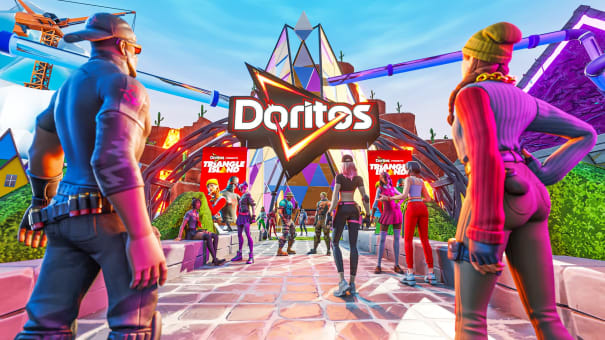
At the same time, UGC ecosystems like Roblox, Fortnite Creative, and other creator‑driven platforms now enable AI‑built worlds and assets. This lowers the barrier to launching branded maps, sponsored experiences, and co‑created environments that feel organic to how players already interact. From immersive challenges to unlockable cosmetics, brands can integrate more seamlessly and more meaningfully than ever before.
We’ve already seen major brands capitalize on this shift. For instance, Walmart launched two interactive worlds on Roblox, Walmart Land and Universe of Play, both of which are filled with mini‑games, virtual merchandise, and music experiences that were updated and expanded using modern creator‑tool pipelines. These activations demonstrated how rapidly brands can now build, test, and recur inside UGC environments, a process AI is poised to accelerate even further.
Beyond executing brand activation, SPORTFIVE plays a critical advisory role. Considering how fast technology moves these days, it’s important for SPORTFIVE to be right there, maintaining the speed in which the world is traveling at. For us, AI is a tool that now helps predict which games will trend next, calculate potential impressions and engagements in brand activations, and organize multiple campaigns across brands at once. It enables us to deliver deeper research and more informed recommendations to brand partners, ensuring our work is grounded in a thorough understanding of the brand’s needs and the outcomes each gaming entry point can unlock.
And as AI empowers small teams and solo creators, the next breakout title may emerge far outside a traditional studio. Identifying these rising developers early, amplifying their work, and forging partnerships at the ground level creates first‑mover advantages for brands seeking to stay ahead of the cultural curve.

Conclusion
From premium publisher partnerships to UGC driven creative, and from talent representation to consulting, SPORTFIVE has spent 10 years helping brands understand and authentically activate in gaming. We work directly with developers, platforms, streamers, and creators across the ecosystem. And critically, we help brands understand where culture is heading next.
AI is not a theoretical trend. It’s changing how games are made, how they’re experienced, and how communities grow. The brands who succeed will be the ones who embrace these shifts early thoughtfully, strategically, and authentically.
Frequently Asked Questions
A brand partnership is a mutually beneficial agreement between two or more businesses. All parties agree to help one another by promoting and sponsoring each other or creating content together.
Brand partnerships aim to increase brand recognition and ultimately boost sales and customer loyalty.
In sports, co-branding exists, where two or more companies jointly promote their brands, services, and products through cross-marketing efforts.
This can include anything from social media posts, advertisements, and commercials to events and appearances by high-profile athletes and celebrities.
Brand identity refers to the visual, verbal, and experiential elements that collectively distinguish and represent a brand to its audience. It encompasses the brand's unique characteristics, personality, and the way it presents itself across various touchpoints. Key components of brand identity include:
Visual Elements: The brand's logo, colours, typography, imagery, and overall design contribute to a recognizable and cohesive visual identity.
Verbal Elements: The brand's voice, tone, messaging, taglines, and communication style define its verbal identity, creating a consistent and authentic brand language.
Brand Values and Personality: The core values, mission, and personality traits associated with the brand contribute to shaping its identity and resonating with the target audience.
Brand Guidelines: A set of guidelines and standards ensure consistency in the application of the brand identity across different channels and platforms.
By establishing a strong and consistent brand identity, a brand can build recognition, differentiate itself in the market, and create a lasting impression on consumers.
Branded content refers to a strategic marketing approach where companies create and distribute content that aligns with their brand identity, values, and objectives.
Unlike traditional advertising, branded content focuses on storytelling and providing value to the audience rather than explicitly promoting a product or service. It often takes the form of articles, videos, social media posts, or other types of media, seamlessly integrating the brand message into the narrative.
The goal is to build a stronger connection with the target audience by fostering engagement, trust, and brand loyalty. Branded content aims to entertain, educate, or inspire, creating a more authentic and meaningful relationship between the brand and consumers while subtly reinforcing the brand's presence and messaging. This approach allows companies to resonate with their audience in a more nuanced and memorable way.
Influencer content and branded content are related marketing strategies, but they differ in their creators and promotional approaches.
Influencer content involves collaborating with individuals (‘influencers’) who have a significant and engaged following on social media or other platforms. These influencers create content that features or mentions a brand, product, or service, leveraging their credibility and influence to reach and persuade their audience.
On the other hand, branded content is produced directly by the brand or in collaboration with content creators, such as agencies or media outlets. The content is created and controlled by the brand itself, aiming to align with the brand's messaging and values.
Branded content can take various forms, including articles, videos, or social media posts, and it typically integrates the brand's message in a way that feels authentic and valuable to the audience.
In essence, influencer content involves leveraging the influence of individuals, while branded content is content created and disseminated by the brand or its designated partners.
A good sponsorship fit is characterised by the alignment of the sponsoring brand with the sponsored entity in a way that creates mutual value and resonates with the target audience. Several factors contribute to a strong sponsorship fit:
Relevance: The sponsorship should align with the values, image, and interests of both the sponsoring brand and the sponsored entity, creating a natural and authentic connection.
Target Audience Alignment: The audience of the sponsored entity should closely match the target demographic of the sponsoring brand, ensuring that the partnership reaches the right consumers.
Brand Image Consistency: The sponsorship should enhance, not contradict, the overall image and messaging of the sponsoring brand, contributing positively to its perception.
Engagement Opportunities: A good fit provides meaningful opportunities for engagement, whether through events, activations, or collaborative campaigns, ensuring that the partnership goes beyond mere visibility.
Mutual Goals: Both the sponsor and the sponsored entity should share common objectives and goals, fostering a collaborative approach to the partnership.
Long-Term Viability: Ideally, a good sponsorship fit has the potential for a long-term relationship, allowing both parties to grow and evolve together.
Ultimately, a successful sponsorship fit is one where the collaboration is strategic, authentic, and creates a win-win scenario for both the sponsor and the sponsored entity.
